
"Brazilian coffee exports"
2000 article(s) found

Brazil, the world's largest coffee producer and exporter
When we taste a cup of coffee, you will like her or remember her, it must be because she has some unique taste that attracts you, maybe it's its fresh floral acidity, such as Yegafine, maybe it's its rich depth, like Manning, or like monsoon coffee, you can tell who it is. But there is a kind of coffee, even if you have encountered it many times, but its nutrition

Global Coffee Origin-Brazil
Brazil has been figuratively compared to the "giants" and "kings" of the coffee world. There are about 3.97 billion coffee trees, and small farmers now grow 75 percent of the country's coffee. Brazil has twice or even three times as many coffee producers as Colombia, which is the world's second-largest coffee producer.

Why can Brazil become a big coffee producer?
Brazilian coffee generally refers to coffee produced in Brazil. There is a wide variety of Brazilian coffee, the vast majority of which are unwashed and sun-dried, classified according to the name of the state of origin and the port of transport. Brazil has 21 states and 17 states produce coffee, but four of them produce the largest, accounting for 98% of the country's total output. Brazilian coffee has a low sour taste, which goes well with coffee.

Introduction to the flavor and taste of Brazilian coffee the characteristics of Brazilian coffee Brazilian boutique coffee beans Brazilian coffee brand
Brazil is vividly compared to the giant and monarch of the coffee world. There are about 3.97 billion coffee trees there, and small farmers now grow 75% of Brazil's total coffee production. The number of coffee producers in Brazil is twice or even three times that of Colombia, the second largest coffee producer in the world. Unlike in the past, Brazil's economy is less dependent on coffee.
Description of soft-scented Brazilian Coffee Flavor introduction to the production process of planting environment
Although coffee is diverse, Brazilian coffee is suitable for the taste of the public. For example, coffee produced in the northern coastal areas has a typical iodine taste, reminiscent of the sea after drinking. This coffee is exported to North America, the Middle East and Eastern Europe. Another kind of coffee that is interesting and worth looking for is washed Bahia coffee. This kind of coffee is not easy to find, because after the United States

Description of Brazilian Coffee Flavor with low sour taste introduction to the treatment of Grinding degree
There are many large farms in Brazil, which run endless coffee plantations. They use machines to harvest and dry them. They are so efficient in automation that they regard coffee as a general agricultural material and completely abandon the flavor and flavor. As a result, many select coffee companies simply do not sell Brazilian beans so as not to demean themselves. In select coffee shops, Santos in Brazil still appears occasionally.

What are the well-known varieties of coffee beans grown in Brazil? What's so special about hand-made Brazilian coffee beans?
Professional coffee knowledge exchange more coffee bean information please follow the coffee workshop (Wechat official account cafe_style) what kind of coffee beans are grown in Brazil with a huge output? What's the special flavor of hand-made Brazilian coffee beans? The world's largest total output refers to the number one producing area in the coffee industry, and there is no doubt that it is South America and Brazil. Its coffee production accounts for about the world's total output.
Brazilian Santos: a Hermit in the Coffee Kingdom
Origin: Brazilian grade: good granule: relatively full acidity: slight acid uniformity: stable roasting: low to deep flavor: neutral beans, low acid, smooth and round Brazil grows Arabica and Robusta coffee, but mainly Arabica coffee, mostly dried. There are about 3.97 billion coffee trees in Brazil, and the number of people engaged in coffee production is elder brother

Coffee beans from the World Coffee Center Brazilian Coffee
Brazil, a low-acidity, moderately roasted coffee bean from the World Coffee Center, is vividly compared to the giant and monarch of the coffee world. There are about 3.97 billion coffee trees there, and small farmers now grow 75% of the country's coffee. The number of coffee producers in Brazil is twice or even three times that of Colombia, the second largest coffee producer in the world.
The abnormal Prosperity of Brazilian Coffee
Coffee industry is both a driving force and a yoke coffee industry occupies a pivotal position in the economic structure of modern Brazil, providing the driving force for urbanization, industrialization and modernization. First, the large amount of export foreign exchange created by the coffee economy after independence provided the necessary financial guarantee for Brazil's early industrialization. In 18891919, the number of Brazilian industrial enterprises increased from 626 to 13566.

Introduction to the Grinding scale for the description of Taste and Flavor of Brazilian Coffee
Brazil makes full use of the tropical geographical environment and attaches importance to the production and sale of coffee, so that the output, export volume and per capita consumption of coffee have been ranked first in the world for many years, and have been praised as the coffee kingdom. Coffee was introduced into Brazil after the 18th century. In 1727, coffee was introduced from Guyana to Belem, Brazil.

Brazilian Coffee Flavor Taste Estate Introduction Brazilian Coffee Features
Brazilian coffee refers to coffee produced in Brazil. There are many types of Brazilian coffee, and just like other Arabica coffees, Brazilian coffee is known as Brazilian coffee Brazils to distinguish it from Milds coffee. The vast majority of Brazilian coffee is unwashed and sun-dried, and is classified according to the state of origin and port of shipment. Brazil has 21 states, 17 of which produce coffee.
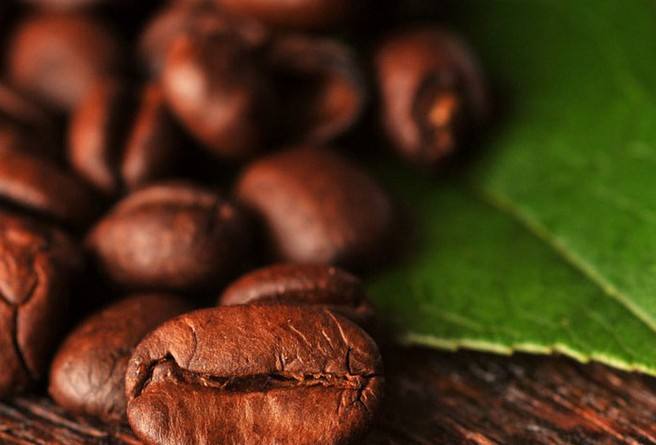
The source of Brazilian coffee. How does Brazilian coffee taste?
Following Caf é vdailycom (Wechat official account vdailycom) found that Brazil is located in the eastern part of South America and the west coast of the Atlantic Ocean, bordering all countries on the South American continent except Ecuador and Chile; the vast majority of the territory is located between the equator and the Tropic of Cancer, and Brazil is the most tropical country in the world. Environment
A hermit in the coffee kingdom of Brazilian Santos coffee beans.
Origin: Brazilian grade: good granule: relatively full acidity: slight acid uniformity: stable roasting: low to deep flavor: neutral beans, low acid, smooth and round Brazil grows Arabica and Robusta coffee, but mainly Arabica coffee, mostly dried. There are about 3.97 billion coffee trees in Brazil, and the number of people engaged in coffee production is elder brother

Comparison of Brazilian Coffee, Kenyan Coffee and Indonesian Coffee
Professional coffee knowledge exchange more coffee bean information please follow coffee workshop (Wechat official account cafe_style) Brazilian coffee flavor characteristics manor area _ Brazilian boutique coffee < 1 > Brazil < Brazil > Brazil's official country is Federative_Republic_of_Brazil, the regime is the Federal Republic, and the capital is now located in Brasilia < Brasil after many migrations.

Characteristics of Brazilian Coffee introduction to the manor producing area of Brazilian coffee bean flavor and taste
Brazilian coffee generally refers to coffee produced in Brazil. There are many kinds of coffee in Brazil. Like other Arabica coffee, Brazilian coffee is called Brazilian coffee Brazils to distinguish it from Milds coffee. The vast majority of Brazilian coffee is unwashed and sun-dried and is classified according to the name of the state of origin and port of transport. Brazil has 21 states and 17 states produce coffee, but among them
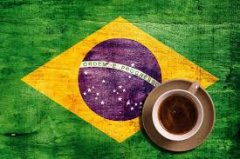
Brazil is the world's largest coffee producer and exporter.
For most of us, an important aspect of the morning ceremony is drinking a cup of coffee. So I decided to look at this typical aspect of our daily life. About 1/3 of the world's coffee comes from Brazil, making the BRIC country the world's largest coffee producer and exporter. Brazil has been in this position for the past 150 years. The area of the coffee plantation is about 10

Description of Flavor of Brazilian Coffee with mild Flavor introduction to Variety Price of Grinding method
Other kinds of Brazilian coffee, such as Rio and Parana, can be produced in large quantities because they do not need too much care. Although they taste rough, they can be regarded as a kind of good and cheap coffee. Because they are distributed all over Brazil and their solid quality varies, they have their own standards (NO.2~NO.8 according to the number of sundries, NO.13~NO.19 according to the size of beans, and six according to taste).
The Kingdom of Fine Coffee Brazilian Coffee
Brazil is famous for its coffee quality and strong taste. It is the largest coffee producer and exporter in the world. It is known as the coffee kingdom. Coffee originated in Ethiopia and was introduced to Brazil in 1727. Brazil is located in the southeast of South America, located in the tropics and subtropics, unique geographical and climatic conditions are very suitable for coffee cultivation, coupled with cheap labor, coffee cultivation industry rapidly emerged.